
Products
Ozone generators are powerful devices used for air and water purification. They work by producing ozone, a reactive gas that can effectively eliminate bacteria, viruses, and other pollutants. In this article, we will explore the benefits of using an ozone generator and how it can improve the quality of the air and water we breathe and drink.
Ozone is a molecule made up of three oxygen atoms (O3), which occurs naturally in the Earth's atmosphere. It is a highly reactive gas that can effectively oxidize pollutants and neutralize bacteria and viruses. Ozone is also an effective sterilizer and is commonly used in water treatment and air purification.
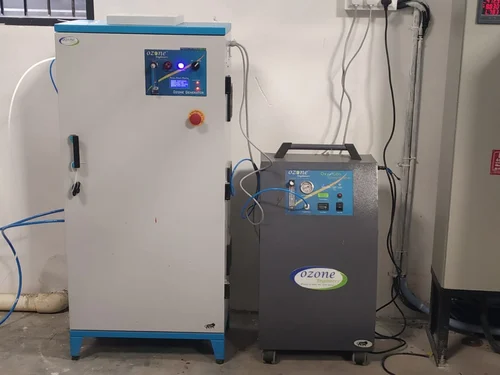
Ozone generators have a wide range of applications, including water treatment, air purification, and food preservation. In water treatment, ozone is used to remove contaminants, such as bacteria, viruses, and organic compounds. In air purification, ozone can effectively eliminate odors, smoke, and other pollutants. In food preservation, ozone can extend the shelf life of fruits and vegetables by killing bacteria and fungi.
Using an ozone generator provides several benefits, including environmental, health, and economic benefits. Ozone is a natural and powerful oxidant that can effectively eliminate pollutants without leaving any harmful residues. Ozone is also non-toxic and safe for human consumption at low concentrations. Using an ozone generator can also save energy and reduce the need for harmful chemicals used in traditional water and air purification systems.
The advantages of using an industrial water softening plant are numerous and can be enjoyed by different industries. For industries that rely on water, such as manufacturing, agriculture, and mining, an industrial water softening plant can increase efficiency, reduce maintenance costs, and prolong the lifespan of equipment. Soft water can also improve the quality of products, increase yield, and reduce downtime caused by equipment breakdown.


